How to Avoid Rejection When Applying for High Limit Credit Cards sets the stage for a comprehensive guide on securing high limit credit cards, offering valuable insights and strategies to navigate the application process successfully.
The following paragraphs delve into essential tips and considerations to help you increase your chances of approval and access the credit limit you desire.






Researching High Limit Credit Cards
When applying for high limit credit cards, it is crucial to conduct thorough research on the different options available in the market. This research will help you make an informed decision that aligns with your financial goals and needs.
Comparing Features, Benefits, and Eligibility Criteria
- Start by comparing the features and benefits offered by various high limit credit cards. Look for perks such as cashback rewards, travel benefits, or low-interest rates.
- Consider the eligibility criteria set by different credit card issuers. Some cards may require a higher credit score or income level to qualify for a high credit limit.
Impact of Interest Rates, Annual Fees, Rewards Programs, and Credit Score Requirements
- Interest rates play a significant role in the cost of borrowing with a high limit credit card. Compare the APR of different cards to choose one with affordable rates.
- Annual fees can vary widely among high limit credit cards. Evaluate whether the rewards and benefits justify the annual fee before applying.
- Consider the rewards programs offered by each card. Choose a program that aligns with your spending habits and offers valuable rewards for your purchases.
- Your credit score will also impact your chances of approval for a high limit credit card. Make sure your credit score meets the minimum requirements before applying to avoid rejection.
Understanding Credit Score Requirements
Credit scores play a crucial role when applying for high limit credit cards. Lenders use credit scores to evaluate an individual’s creditworthiness and determine the risk of lending money to them. A higher credit score indicates responsible financial behavior, making it more likely for an applicant to be approved for a high limit credit card.
Significance of Credit Scores
- Credit scores reflect an individual’s credit history, including payment history, credit utilization, length of credit history, types of credit used, and new credit accounts.
- Lenders rely on credit scores to assess the likelihood of an applicant repaying borrowed funds on time.
- A high credit score indicates to lenders that the applicant is a low-risk borrower, increasing the chances of approval for high limit credit cards.
Impact of Credit Scores on Approval Process
- Applicants with higher credit scores are more likely to be approved for high limit credit cards due to their demonstrated history of responsible financial behavior.
- Lenders may offer better terms, such as lower interest rates and higher credit limits, to individuals with excellent credit scores.
- Individuals with lower credit scores may face challenges in obtaining high limit credit cards or may be approved with less favorable terms.
Strategies to Improve Credit Scores
- Pay bills on time to establish a positive payment history, which accounts for a significant portion of a credit score.
- Keep credit card balances low to maintain a low credit utilization ratio, as high utilization can negatively impact credit scores.
- Avoid opening multiple new credit accounts within a short period, as this can lower the average age of credit accounts and impact credit scores.
- Regularly review credit reports for errors and dispute any inaccuracies to ensure credit scores are based on correct information.
Managing Existing Debts and Credit Utilization
When it comes to applying for high limit credit cards, managing existing debts and credit utilization plays a crucial role in determining your creditworthiness. Lenders often consider these factors to assess your ability to handle additional credit responsibly.
Reducing Debts and Optimizing Credit Utilization
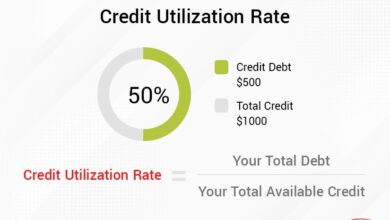
One effective way to strengthen your creditworthiness is by reducing your existing debts. This can be achieved by creating a budget, prioritizing debt repayment, and avoiding unnecessary expenses. Additionally, it’s essential to optimize your credit utilization ratio, which is the amount of credit you are currently using compared to the total credit available to you.
- Pay down your existing balances: Start by paying off high-interest debts first and gradually work your way towards reducing all outstanding balances.
- Avoid maxing out your credit cards: Keeping your credit utilization below 30% is ideal to show lenders that you can manage credit responsibly.
- Consider a balance transfer: If you have high-interest debts, transferring them to a lower interest rate credit card can help you save money on interest payments and pay off debts faster.
Debt-to-Income Ratio and High Limit Credit Card Approvals
Your debt-to-income ratio, which is the percentage of your monthly income that goes towards debt payments, also plays a significant role in high limit credit card approvals. Lenders prefer applicants with a lower debt-to-income ratio as it indicates a lower risk of defaulting on payments.
Having a lower debt-to-income ratio not only improves your chances of getting approved for a high limit credit card but also demonstrates your ability to manage your finances effectively.
Building a Strong Credit History
Building a strong credit history is crucial when it comes to securing high limit credit cards. Lenders rely on your credit history to assess your creditworthiness and determine the risk of lending you a high credit limit. Here are key factors to consider in building a solid credit profile:
On-Time Payments
One of the most important factors in building a strong credit history is making on-time payments. Payment history makes up a significant portion of your credit score, so ensuring you pay your bills on time every month is essential. Late payments can have a negative impact on your credit score and may signal to lenders that you are a risky borrower.
Credit Mix
Having a diverse mix of credit accounts, such as credit cards, loans, and a mortgage, can also help strengthen your credit history. Lenders like to see that you can manage different types of credit responsibly. However, it’s important to only take on credit that you can afford to repay to avoid getting into debt.
Length of Credit History
The length of your credit history is another important factor in building a solid credit profile. Lenders prefer to see a longer credit history as it gives them more information to assess your creditworthiness. If you are new to credit, it’s important to start building your credit history early and responsibly to demonstrate your ability to manage credit over time.
End of Discussion
In conclusion, mastering the art of applying for high limit credit cards involves meticulous research, credit score management, debt optimization, and building a robust credit history. By implementing the strategies outlined in this guide, you can enhance your financial profile and secure the high limit credit card best suited to your needs.