Best Strategies to Build Credit History for Large Credit Limits sets the stage for this enthralling narrative, offering readers a glimpse into a story that is rich in detail with casual formal language style and brimming with originality from the outset.
Understanding the significance of credit history, credit utilization, timely payments, diversifying credit types, and the importance of monitoring credit reports are key components in achieving large credit limits. This guide will delve into each aspect, providing valuable insights and strategies for enhancing your credit journey.






Importance of Building Credit History
Building a strong credit history is essential for individuals looking to obtain large credit limits. Lenders use your credit history to assess your creditworthiness and determine the risk of lending you money. A positive credit history can open doors to better financial opportunities and provide you with access to higher credit limits.
Access to Better Financial Opportunities
A strong credit history can lead to lower interest rates on loans, higher credit limits, and better terms on financial products such as mortgages and car loans. With a good credit score, you may also qualify for premium credit cards with attractive rewards and benefits. This can save you money in the long run and improve your overall financial well-being.
Impact on Creditworthiness and Financial Stability
Your credit history plays a significant role in determining your creditworthiness. Lenders use this information to assess the risk of lending you money and decide whether to approve your credit application. A positive credit history demonstrates responsible financial behavior and can help you secure larger credit limits. Additionally, maintaining a good credit history can contribute to your overall financial stability by providing you with a safety net in times of need.
Understanding Credit Utilization
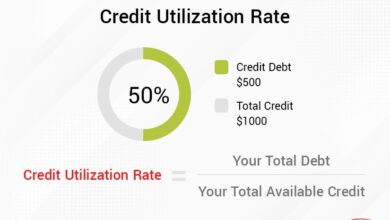
Credit utilization refers to the ratio of your credit card balances to your credit limits. It is a crucial factor in building and maintaining a good credit score. Keeping your credit utilization low shows lenders that you are responsible with credit and can manage your finances effectively.
Tips to Keep Credit Utilization Low
- Avoid maxing out your credit cards and try to keep your balances well below your credit limits.
- Regularly monitor your credit card balances and make timely payments to keep your utilization in check.
- If you have multiple credit cards, distribute your charges evenly across them to maintain a lower overall utilization.
- Avoid opening unnecessary credit accounts just to increase your available credit, as this can backfire and hurt your credit score.
Ideal Credit Utilization Ratio
The ideal credit utilization ratio for maximizing credit limits is generally recommended to be below 30%. This means using less than 30% of your available credit at any given time.
Timely Payments and Payment History
Making timely payments is crucial for building a positive credit history. It shows lenders that you are responsible and can manage your debts effectively. Late payments can have a significant negative impact on your credit score and can lead to higher interest rates and reduced credit limits.
Strategies for Maintaining a Positive Payment History
- Set up automatic payments: Consider setting up automatic payments for at least the minimum amount due to ensure you never miss a payment.
- Use payment reminders: Utilize calendars, mobile apps, or reminders to help you stay on top of due dates.
- Create a budget: Establish a budget that includes your credit card payments to ensure you have enough funds to cover them each month.
- Pay more than the minimum: Whenever possible, try to pay more than the minimum amount due to reduce your overall balance and demonstrate responsible credit behavior.
- Contact your creditor: If you anticipate difficulty making a payment, contact your creditor in advance to discuss possible options or payment arrangements.
Impact of Late Payments on Credit Scores and Credit Limits
Late payments can significantly damage your credit score and may stay on your credit report for up to seven years. This can result in higher interest rates on future loans, difficulty obtaining new credit, and even lower credit limits on existing accounts. It is essential to prioritize making timely payments to protect your credit history and maintain access to larger credit limits in the future.
Diversifying Credit Types
When it comes to building a strong credit history and improving creditworthiness, diversifying credit types can play a crucial role. Having a mix of credit accounts can demonstrate responsible financial behavior and show lenders that you can manage different types of credit effectively.
Benefits of Diversifying Credit
- Improved Credit Score: By diversifying your credit accounts, you can show lenders that you are capable of managing various types of credit responsibly, which can positively impact your credit score.
- Enhanced Creditworthiness: Lenders may view you as a less risky borrower if you have a diversified credit portfolio, making you more attractive for larger credit limits and better interest rates.
- Increased Financial Flexibility: Different types of credit accounts offer different benefits and terms, giving you more options for managing your finances and achieving your financial goals.
Types of Credit to Consider
Consider incorporating the following types of credit accounts into your financial portfolio:
- Credit Cards: Revolving credit accounts that allow you to make purchases up to a set credit limit and pay off the balance over time.
- Installment Loans: Fixed-term loans with a set repayment schedule, such as auto loans, personal loans, or mortgages.
- Lines of Credit: Flexible credit accounts that give you access to funds up to a specified limit, like a home equity line of credit or a personal line of credit.
- Retail Accounts: Credit accounts offered by retailers for purchasing goods and services, often with special discounts or rewards.
Monitoring Credit Reports
Regularly checking credit reports is crucial for individuals looking to build and maintain a strong credit history. By monitoring credit reports, one can stay informed about their financial standing, identify any errors or discrepancies, and detect any signs of fraudulent activities that could potentially harm their credit score.
Importance of Regularly Checking Credit Reports
- Monitoring credit reports allows individuals to catch any errors or inaccuracies that could be negatively impacting their credit score. By identifying and correcting these errors promptly, individuals can ensure that their credit history is accurately represented.
- Regularly checking credit reports also helps in detecting any signs of identity theft or fraudulent activities. By monitoring for unusual account openings or unauthorized transactions, individuals can take immediate action to protect their credit and financial well-being.
- It is essential to review credit reports on a regular basis to track progress in building credit history. By monitoring changes in credit utilization, payment history, and credit inquiries, individuals can assess their financial habits and make necessary adjustments to improve their credit score.
Final Review
In conclusion, mastering the best strategies to build credit history for large credit limits is not just about financial success, but also about securing a stable and prosperous future. By following these guidelines and staying proactive in managing your credit, you can pave the way for a brighter financial outlook.