Best Income Strategies To Qualify For Bigger Credit Limits: Boost Your Credit With Smart Income Moves

Best Income Strategies to Qualify for Bigger Credit Limits sets the stage for this enthralling narrative, offering readers a glimpse into a story that is rich in detail and brimming with originality from the outset. In today’s financial landscape, understanding how to leverage your income for higher credit limits can be a game-changer.
Exploring various income sources, showcasing stability, and utilizing credit wisely are just a few key aspects of this essential guide. Let’s delve into the strategies that can help you secure those coveted bigger credit limits.





Best Income Strategies to Qualify for Bigger Credit Limits
Understanding how credit limits are determined by income is crucial when aiming to increase your credit limit. Your income plays a significant role in showcasing your ability to manage credit responsibly.
Income Sources for Increasing Credit Limits
There are various income sources that can help you qualify for higher credit limits:
- 1. Employment Income: Regular income from a stable job is a strong indicator of financial stability and can positively impact your credit limit.
- 2. Side Hustles and Freelancing: Additional sources of income from side gigs or freelance work can demonstrate your ability to generate consistent cash flow.
- 3. Investments and Rental Income: Income from investments or rental properties can showcase financial diversity and stability.
- 4. Spousal or Partner Income: Combining incomes with a spouse or partner can increase the total household income, potentially leading to a higher credit limit.
Importance of Stable Income
Having a stable income is a key factor in qualifying for bigger credit limits. Lenders view a steady income as a reliable source to make timely payments on credit accounts, reducing the risk associated with extending a higher credit limit.
Effectively Showcasing Income for Credit Limit Increase
When applying for a credit limit increase, it’s essential to effectively showcase your income to demonstrate your financial capacity. Here are some tips to help you:
- 1. Provide Proof of Income: Submitting pay stubs, tax returns, or bank statements can validate your income and increase your chances of a credit limit raise.
- 2. Highlight Consistent Income: Emphasize your consistent income flow to reassure lenders of your ability to make payments on time.
- 3. Include All Income Sources: Make sure to include all sources of income, including bonuses, commissions, or rental income, to paint a comprehensive picture of your financial stability.
- 4. Update Income Information: Regularly update your income information with creditors to ensure they have the most current data when evaluating your credit limit increase request.
Building a Strong Credit Profile
Building a strong credit profile is essential when it comes to qualifying for bigger credit limits. Lenders assess your creditworthiness based on various factors, and having a solid credit profile can significantly increase your chances of accessing higher credit limits.
Key Factors Considered by Lenders
- Payment history: Timely payments on credit accounts are crucial for demonstrating reliability.
- Credit utilization ratio: Keeping credit card balances low in relation to credit limits shows responsible credit management.
- Length of credit history: A longer credit history can indicate stability and experience with managing credit.
- Types of credit: Having a mix of credit accounts, such as credit cards and loans, can showcase diversity in managing credit.
- New credit applications: Multiple recent credit inquiries may raise red flags for lenders.
Strategies for Improving Credit Scores
- Pay bills on time: Consistently making on-time payments is crucial for building a positive credit history.
- Monitor credit reports: Regularly checking your credit report can help identify errors or fraudulent activity that could impact your credit score.
- Reduce credit card balances: Lowering credit card balances can improve your credit utilization ratio.
- Avoid opening multiple new accounts: Limiting new credit applications can prevent unnecessary inquiries on your credit report.
Impact of Responsible Credit Card Usage
- Regularly using credit cards for small purchases and paying off the full balance each month demonstrates responsible credit usage.
- Avoiding maxing out credit cards and maintaining a low credit utilization ratio can positively impact your credit profile.
- Using credit cards strategically and within your means can help build a positive credit history over time.
Utilizing Credit Cards Wisely
When it comes to qualifying for bigger credit limits, how you utilize your credit cards plays a crucial role. Responsible credit card usage can demonstrate your creditworthiness and increase your chances of being approved for higher limits.
Maintaining a Low Credit Utilization Ratio
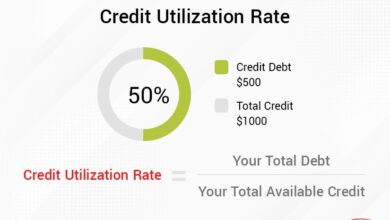
One key factor that lenders consider is your credit utilization ratio, which is the amount of credit you’re using compared to the total amount available to you. It’s recommended to keep this ratio below 30% to show that you’re not overly reliant on credit.
- Avoid maxing out your credit cards and try to pay off your balances in full each month to keep your utilization low.
- Consider requesting a credit limit increase on your existing cards to lower your utilization ratio.
- Spread out your purchases across different cards to balance out your credit utilization.
Smart Spending Habits
Developing smart spending habits can also help you qualify for bigger credit limits by showcasing responsible financial behavior.
- Only charge what you can afford to pay off in full to avoid accumulating debt and interest charges.
- Avoid impulse purchases and prioritize essential expenses to demonstrate financial discipline.
- Regularly review your credit card statements to track your spending and identify any areas where you can cut back.
Maximizing Income Opportunities
In order to qualify for bigger credit limits, it is essential to explore alternative income sources that can supplement your traditional income. Diversifying your income streams can not only increase your overall income but also improve your financial stability and creditworthiness.
Investments
Investments play a crucial role in boosting your income and can be a great way to qualify for bigger credit limits. By investing in stocks, bonds, real estate, or other assets, you can generate additional income that can be used to support your creditworthiness.
Rental Income
Rental income from properties you own can be a valuable source of supplementary income. By renting out properties or rooms, you can increase your monthly cash flow, which can help you qualify for higher credit limits. It is important to manage your rental properties effectively to maximize your rental income.
Side Hustles
Engaging in side hustles or freelance work can also be a productive way to boost your income. Whether it’s driving for a ride-sharing service, offering freelance services, or selling products online, side hustles can provide an additional stream of income that can be used to strengthen your financial profile and qualify for bigger credit limits.
Maximizing Existing Income Streams
In addition to exploring alternative income sources, it is important to maximize your existing income streams. This can include negotiating a raise at your current job, taking on additional responsibilities for extra pay, or finding ways to increase your earning potential through professional development or certifications.
By diversifying your income sources, investing wisely, and maximizing your existing income streams, you can significantly improve your overall income and financial stability, ultimately increasing your chances of qualifying for bigger credit limits.
Closing Summary
As we wrap up our discussion on Best Income Strategies to Qualify for Bigger Credit Limits, remember that a proactive approach to managing your income and credit can open doors to greater financial opportunities. By implementing these strategies, you’re not just increasing your credit limit but also paving the way for a more secure financial future.